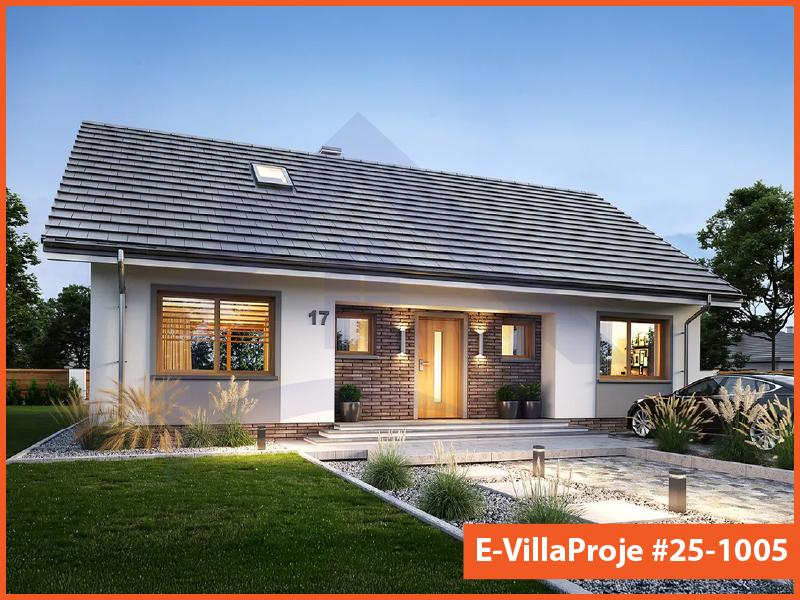
In a high-performance passive home, energy conservation encompasses potable water stewardship and domestic hot water (DHW) thermal physics. In certified passive dwellings where space heating demand is minimized, DHW production frequently represents the largest single energy consumer (qDHW > qh). Furthermore, inside highly airtight thermal envelopes, unmitigated water pipe leakage presents severe structural and indoor air quality hazards. Designed to DIN 1988, EN 806, and LEED v4 Water Efficiency benchmarks, SerVilla delivers intelligent plumbing systems that reduce household water consumption by up to 45% while employing ultrasonic leak defense for complete envelope safety.
1. Thermal Loss Physics in DHW Circulation
In an ultra-insulated building, annual space heating requires under 15 kWh/(m²a), while supplying 50 liters of 60°C domestic hot water per occupant consumes 20 to 25 kWh/(m²a):
- Continuous Loop Parasitic Loss: Traditional uncontrolled circulation loops dissipate 800 to 1,500 kWh annually through structural cavities. SerVilla eliminates this waste via On-Demand Micro-Circulation activated only upon proximity or schedule.
- Pipe-in-Pipe Insulation (DIN 1988-200): Cross-linked polyethylene (PEX-a) runs are encased in closed-cell elastomeric insulation (100\% wall thickness), maintaining DHW above 55°C for Legionella control while preserving cold water below 20°C.
2. Low-Flow Hydrodynamic Fixture Engineering
Slashing volumetric water draw without compromising spray force relies on Venturi aeration technology:
- Aerated Spray Induction: Precision aerators entrain microscopic air bubbles into the water stream, preserving wetting velocity and kinetic tactile sensation while reducing actual flow rates by 40% to 60%.
- Thermostatic Balancing Valves: Rapid-response bimetallic cartridges stabilize setpoint temperatures within 0.2 seconds, eliminating run-to-waste warm-up intervals.
| Sanitary Fixture Point | Standard Residential Baseline | SerVilla Eco-Specification | Water Reduction Rate | Statutory Reference |
|---|---|---|---|---|
| Basin Faucets | 9 – 12 L/min | 3.8 – 4.5 L/min | 60% Reduction | EN 246 / LEED WE |
| Eco Shower Ensembles | 14 – 18 L/min | 6.5 – 8.0 L/min | 55% Reduction | EN 1112 / Well v2 |
| Dual-Flush Cisterns | 6 / 9 Liters | 2.6 / 4.0 Liters | 55% Reduction | EN 997 Class 2 |
| Kitchen Workstation Sink | 10 – 14 L/min | 5.5 – 6.5 L/min | 45% Reduction | EN 817 / BREEAM |
| Total Daily Per Capita Draw | 140 – 180 Liters/day | 75 – 95 Liters/day | 45% Net Savings | DIN 1988-100 Benchmark |
3. Ultrasonic Smart Leak Monitoring & Auto-Shutoff
Traditional moisture damage often develops undetected over months:
- Micro-Flow Ultrasonic Acoustic Sensors: Mounted at the primary water service entry, ultrasonic transit-time flow sensors detect micro-leaks as tiny as 5 ml/min during quiescent household periods.
- Automated Ball-Valve Isolation: If abnormal volumetric flow or extended continuous draw occurs, the smart shutoff valve closes within seconds, triggering push notifications to mobile devices.
4. Acoustic Decoupling in Cold-Formed Steel Framing
Sanitary supply and drainage runs routed through factory CNC punch-outs in CFS studs are fitted with heavy-duty EPDM elastomer grommets. This physical decoupling prevents water hammer spikes (>2 bar) and thermal expansion creaks from resonating through the structural steel framing, assuring acoustic compliance with DIN 4109.